
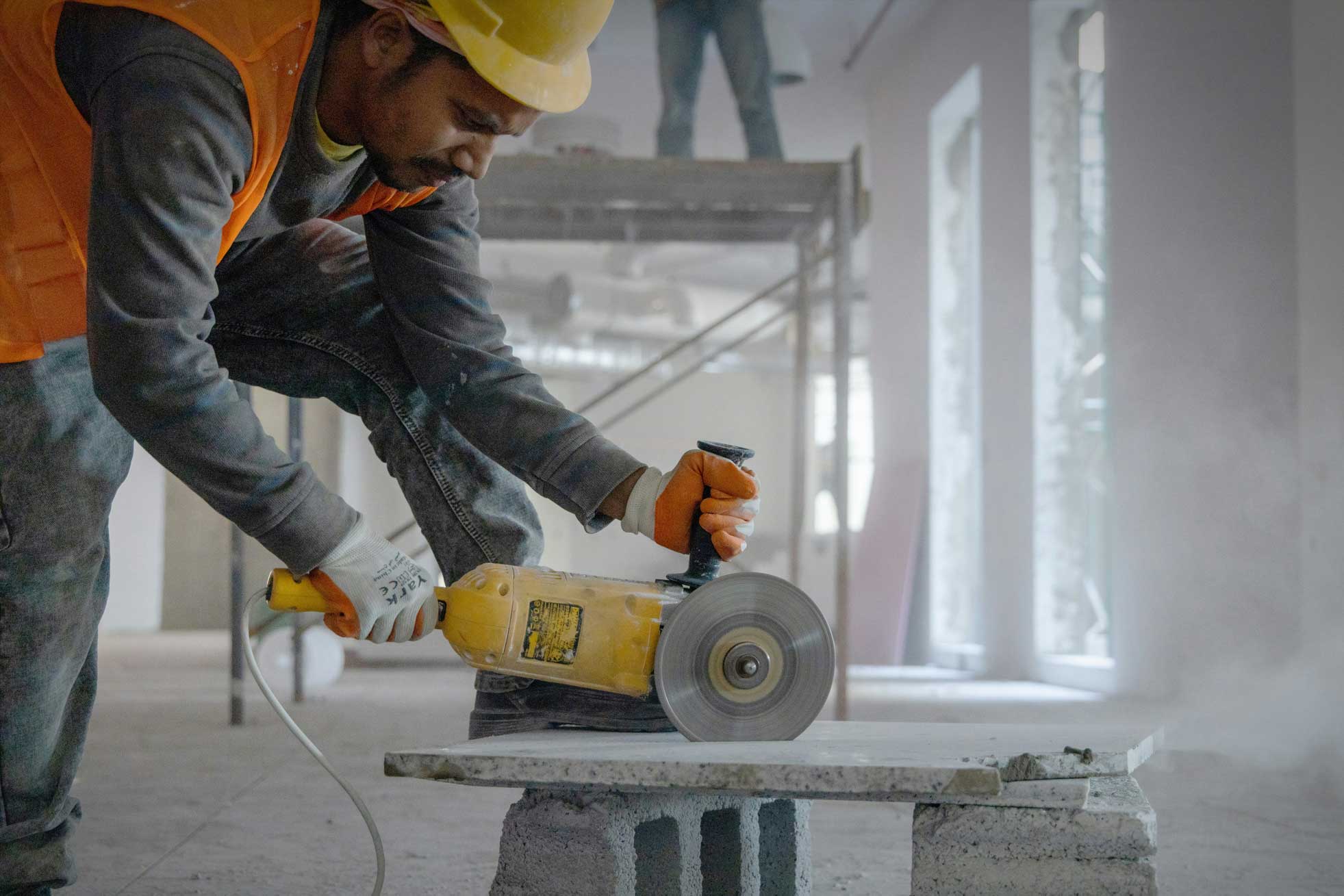
When someone gets hurt on the job in North or South Carolina, the first battle is often about status. Are you an employee or an independent contractor? That label can decide whether you get medical care, wage replacement, and disability benefits. The situation becomes more tangled on construction sites where general contractors, subcontractors, and individual workers all operate under different agreements.
This guide breaks down what truly matters for injured workers trying to understand their rights.
Independent Contractors and Coverage
Most people think independent contractors are automatically excluded from workers’ compensation. In reality, many workers who receive a 1099 are misclassified. Both states use a “right to control” test to decide whether a worker is actually an employee. It is less about paperwork and more about how the job works day to day.
You may be legally considered an employee if the company dictates how the job is done, sets your schedule, supplies tools, pays you by the hour, controls safety rules, or has the power to fire you. These factors matter far more than any agreement you signed.
Misclassification is common in construction, trucking, landscaping, delivery, cleaning, and other labor-heavy fields. Companies often classify workers as contractors to cut costs. None of that changes the law.
The key point is simple: being paid with a 1099 does not automatically block you from receiving workers’ compensation benefits.
Subcontractors and Injury Claims
Subcontractor injuries lead to some of the most contested cases. Multiple tiers of labor and shifting responsibilities create confusion when someone gets hurt.
Subcontractors with employees must carry workers’ compensation insurance if they meet the legal thresholds. Individual subcontractors who work alone may still be treated as employees if the hiring contractor controls how the work is performed. Control is the deciding factor.
The toughest cases involve uninsured subcontractors. When a subcontractor was required to have insurance but failed to secure coverage, the law does not leave injured workers without help. Instead, it allows them to pursue benefits from a higher-tier contractor, including the general contractor.
General Contractors and “Up-the-Ladder” Liability
North Carolina and South Carolina both recognize what is commonly called “up-the-ladder liability.” If a subcontractor does not carry valid workers’ comp insurance, the general contractor can be held responsible for providing coverage to the injured worker. This applies even if the general contractor never hired the worker directly.
The goal is worker protection. Construction sites rely on layers of labor, and the law places responsibility at the top to prevent gaps in coverage. It also pushes general contractors to verify that every subcontractor on the site carries proper insurance.
Industries Where Misclassification Happens Most
Although it can happen anywhere, misclassification is especially common in roofing, framing, drywall, painting, landscaping, trucking, cleaning, and event staffing. These industries move fast, rely heavily on subcontracting, and often overlook legal details until someone is injured.
Why All This Matters
If you are misclassified as a contractor, you risk losing benefits such as medical care, wage replacement, and permanent disability compensation. You also lose mileage reimbursement, vocational rehabilitation, and retaliation protections under North Carolina’s REDA law. Some companies deny claims simply to avoid penalties or increased insurance costs. Challenging the classification is often the only way to protect your rights.
What Injured Workers Should Do Right Away
If you were hurt while working as a contractor or subcontractor:
- Report the injury in writing.
- Tell your doctor it was a work injury.
- Save contracts, texts, time sheets, and instructions.
- Speak with a workers’ compensation attorney experienced in contractor-subcontractor cases.
These claims often hinge on detailed evidence and insurance disputes, so early guidance matters.
Speak With a Board-Certified Workers’ Compensation Attorney
The Law Offices of Bradley H. Smith, PLLC handles misclassification claims, subcontractor injuries, uninsured contractor disputes, and up-the-ladder liability cases throughout North and South Carolina. If you were paid as a contractor or injured while working for a subcontractor, you may still qualify for benefits.