
Blog
Understanding the Four Types of Doctor Appointments in North Carolina Workers’ Compensation Cases
After a workplace injury in North Carolina, it’s common to see more than one doctor during your workers’ compensation claim. However, not every medical visit is viewed the same under the law. The type of provider you see can influence your care, your eligibility for benefits, and how your claim ultimately resolves. Understanding these distinctions is key to protecting your rights and avoiding costly mistakes.

Understanding Nurse Case Managers in Workers’ Compensation Cases
If you’ve been injured at work, you may encounter a nurse case manager early in your workers’ compensation claim. This is a registered nurse hired by the insurance company to help coordinate your medical care—not to treat you directly.

Top 5 Questions About the Workers’ Comp Hearing Process in North Carolina
Injured workers facing a workers’ compensation hearing in North Carolina often feel overwhelmed by the process. Common concerns include how long the case will take, whether legal representation is needed, and what to expect during mediation or a formal hearing.

What Happens When You File a Workers’ Comp Hearing Request in North Carolina?
If your North Carolina workers’ compensation claim has been denied or disputed, you can request a formal hearing by filing Form 33 with the North Carolina Industrial Commission. This process — which includes mandatory mediation and a hearing before a deputy commissioner — can be complex, making experienced workers’ compensation legal guidance crucial for protecting your benefits.

Third-Party Claims in Workers’ Compensation Cases: What Injured Workers in NC and SC Should Know
Most people who get hurt at work in North Carolina or South Carolina start with a workers’ compensation claim. That system is designed to move quickly and cover medical care and part of your lost wages. It does its job, but it has limits. It does not pay for pain, stress, or the long-term impact an injury may have on your life.

Workers’ Compensation for Independent Contractors, Subcontractors, and General Contractors
Are you an employee or an independent contractor? That label can decide whether you get medical care, wage replacement, and disability benefits.
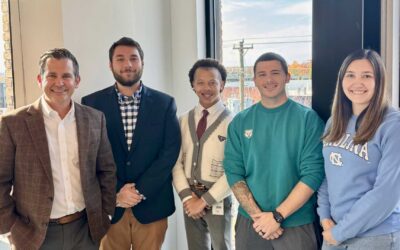
Giving Back Through Service: Supporting Our Community with Wills for Heroes
Recently, our founding attorney, Brad Smith, volunteered with Wills for Heroes, a North Carolina Bar Foundation program that provides simple wills and key powers of attorney to eligible first responders and their spouses.

Clincher Settlement: South Carolina Settlements Explained
A clincher settlement in South Carolina workers’ compensation cases is a final settlement in which the injured worker accepts a lump-sum payment and gives up all future rights to medical or disability benefits from the employer or insurer. This differs from a Form 16A settlement, which does not permanently close the claim.

Form 16A Settlement: South Carolina Settlements Explained
A Form 16A settlement in South Carolina workers’ compensation cases is available when an injured worker reaches maximum medical improvement (MMI). It provides permanent partial disability (PPD) benefits while allowing the worker to keep future medical care open, either for a limited period or sometimes for life.

Let a Workers’ Compensation Lawyer Help You Navigate the Mediation Process
Mediation is a confidential, structured meeting involving you (the injured worker), your workers’ compensation lawyer, your employer/their insurance company, and a neutral third-party mediator.

Truck Driver Injury? Why You Should Seek Help From an Injured Workers Law Firm
Don’t let a trucking company’s classification prevent you from getting the comprehensive benefits you need to recover. Contact The Law Offices of Bradley H. Smith today for a free consultation. We’re here to protect your rights as an injured worker in North Carolina and South Carolina.

Denied Workers’ Compensation Case in North or South Carolina?
If your workers’ compensation claim has been denied in North or South Carolina, don’t give up. We help injured workers appeal denied claims, navigate complex legal procedures, and fight for the full benefits they deserve.